




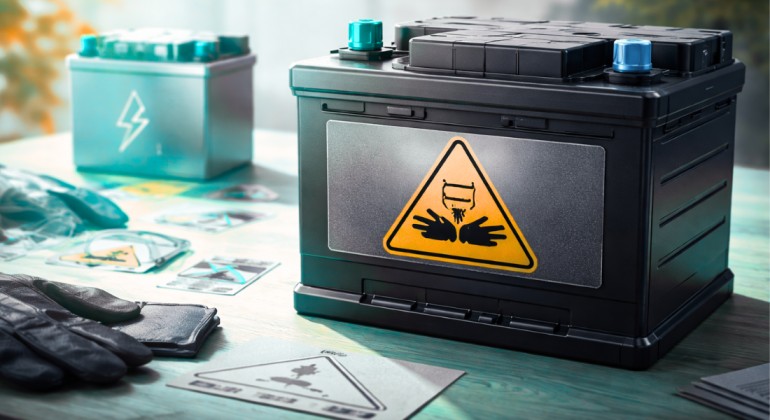
If you’ve ever handled, shipped, or stored a car battery, this question comes up sooner or later:automotive batteries are an example of which hazard class?
It sounds technical. It’s actually practical. People often assume car batteries are harmless once they’re out of the vehicle. That’s where problems start. A wrong label, a wrong container, or a wrong assumption can lead to fines, rejected shipments, or safety issues no one planned for.
This article breaks it down . By the end, you’ll know the correct hazard class, why batteries are treated as dangerous goods, and how different battery types are classified. If you deal with automotive batteries even occasionally, this will help you avoid common mistakes.
What Is a Hazard Class?
A hazard class is simply a way to group dangerous materials based on the kind of risk they pose. Automotive batteries are classified as Hazard Class 8 (Corrosive materials). This is because most car batteries contain sulfuric acid, which can burn skin, damage metal, and harm the environment. Some newer automotive batteries, such as lithium-ion types, may also fall under Hazard Class 9 due to fire and heat risks.
Think of it like sorting household waste:
- Food scraps go one way
- Glass goes another
- Dangerous chemicals get special handling
Hazard classes exist so:
- Transport teams know what they’re dealing with
- Storage rules are clear
- Emergency responders aren’t guessing in a crisis
It’s about safety first.
Why Automotive Batteries Are Hazardous
Car batteries look solid and sealed. That doesn’t mean they’re safe.
Here’s what makes them risky:
- Corrosive acid inside that can burn skin and eyes
- Heavy metals that contaminate soil and water
- Stored electrical energy that can spark or short-circuit
- Leaks that damage floors, vehicles, and containers
Real-life example:
A cracked battery in transit can leak acid the same way a bottle of drain cleaner would. The damage spreads fast.
Hazard Class of Automotive Batteries
Hazard Class 8 – Corrosive Materials
Most automotive batteries fall under Hazard Class 8.
The reason is straightforward:
- They contain sulfuric acid
- That acid eats through metal and burns tissue
- Even a small spill can cause serious damage
This classification usually applies to:
- Lead-acid car batteries
- Truck and tractor batteries
- Standard starter batteries
If it contains liquid acid, Class 8 is almost always the answer.
Different Types of Automotive Batteries and Their Classes
Not all car batteries are treated the same. Battery type matters.
Lead-Acid Batteries
- Hazard Class: 8 (Corrosive)
- Main risk: Acid leakage
- Where used: Most petrol and diesel cars
These are the most common and the most regulated.
Lithium-Ion Automotive Batteries
- Hazard Class: 9 (Miscellaneous hazardous materials)
- Main risk: Fire and overheating
- Where used: Electric vehicles and hybrids
They don’t leak acid, but when they fail, they fail dramatically.
AGM and Gel Batteries
- Hazard Class: 8
- Main risk: Corrosive content, though more controlled
- Where used: Start-stop systems and modern vehicles
They’re safer than old-style batteries, but still regulated.
Practical Tips and Checklist
Before storing or shipping automotive batteries, run through this list:
- ✔ Confirm the battery type
- ✔ Assign the correct hazard class
- ✔ Use strong, leak-resistant packaging
- ✔ Add visible hazard labels
- ✔ Keep batteries upright
- ✔ Secure them so they don’t shift
If you wouldn’t toss it loosely into your car trunk, don’t ship it that way either.
Common Mistakes to Avoid
- Assuming sealed batteries are harmless
- Using the wrong hazard label
- Treating used batteries as non-hazardous
- Mixing battery types in one shipment
- Poor packaging that allows movement
Most compliance issues come from these simple errors.
Conclusion
So, automotive batteries are classified as Hazard Class 8 (Corrosive materials). Lithium-based automotive batteries usually fall under Hazard Class 9. Knowing this helps you avoid delays, fines, and preventable safety problems. Before transporting or storing any automotive battery, always check the type and apply the correct hazard class. It saves time and avoids trouble later.